Production Process: Smart Manufacturing and Energy Conservation
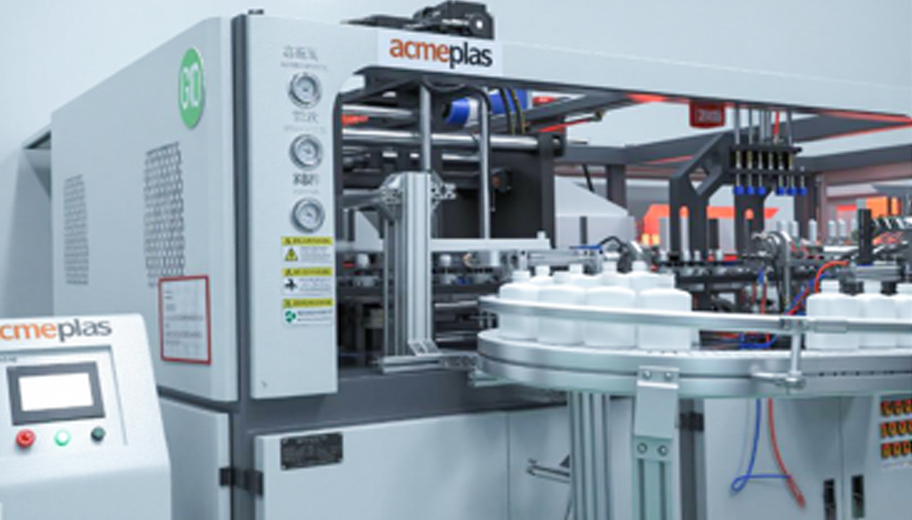
1. Implement Cleaner Production: Integrate automated units (such as online inspection and leak detection) into smart production lines to optimize processes, reducing energy waste and material loss during manufacturing.
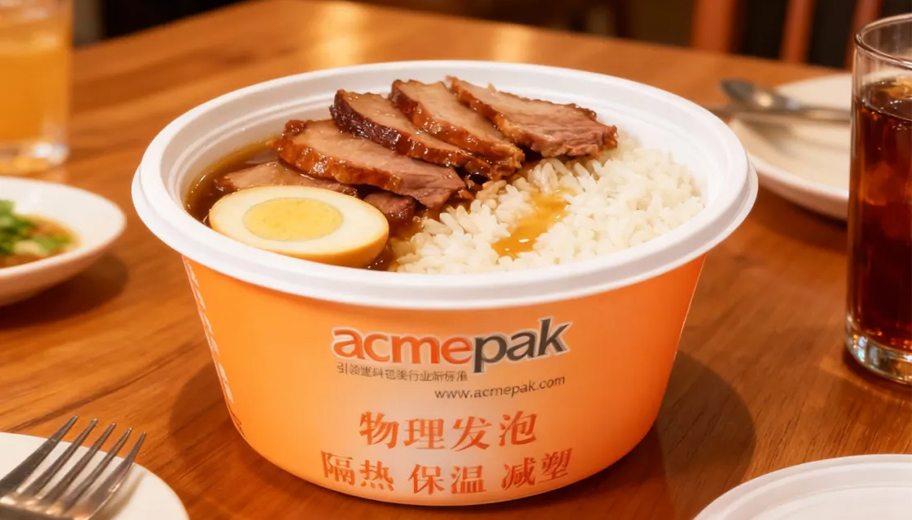
2. Enhance Energy Efficiency: Invest in energy-efficient injection molding machines, temperature control systems, and power equipment. Utilize techniques like physical micro-foaming to reduce product weight, thereby indirectly achieving energy savings and consumption reduction in production operations.
Technical Aspects: Green Manufacturing and Lightweight Design
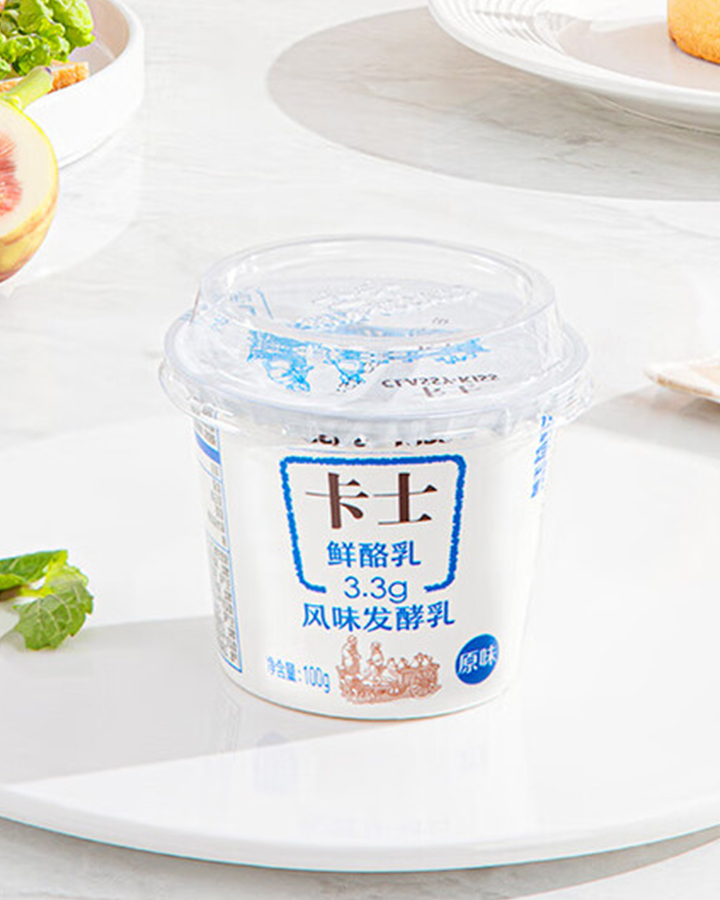
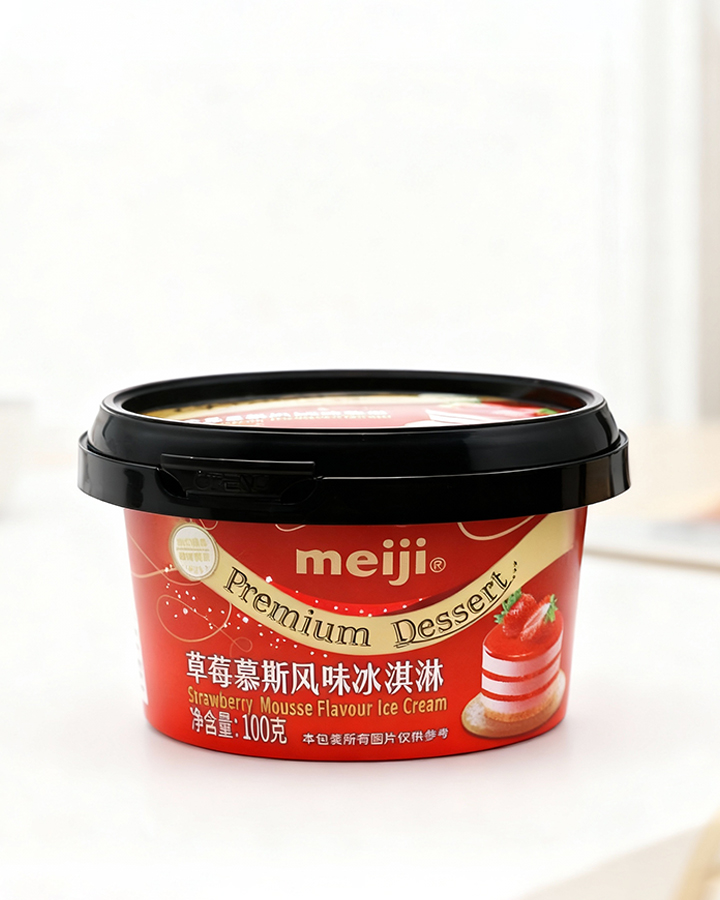
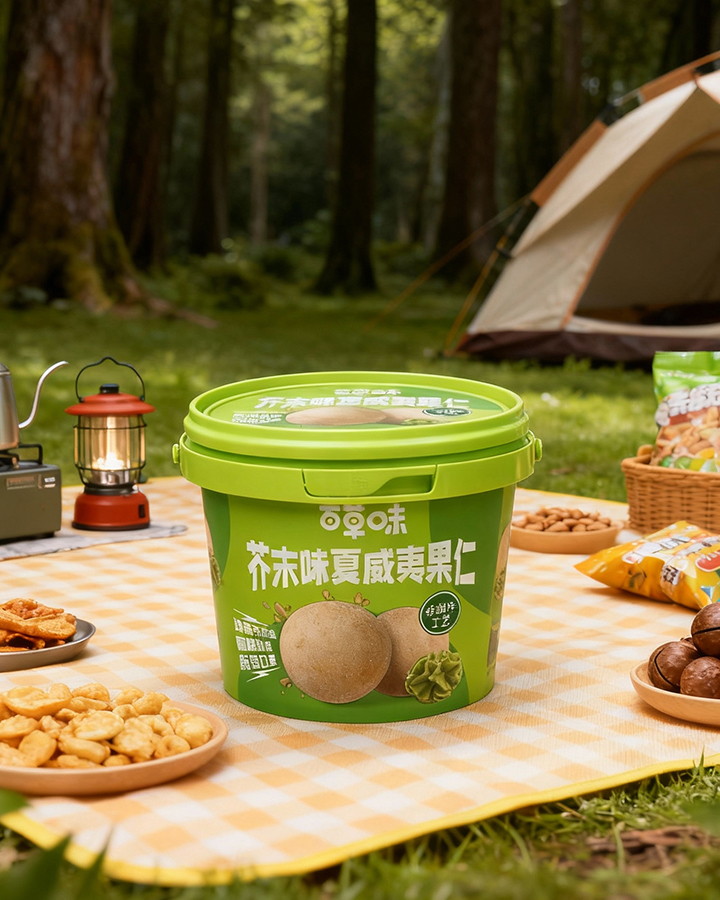
1. Focus on core lightweighting technologies: Primarily leveraging physical micro-foaming technology to significantly reduce plastic usage per product while maintaining strength and barrier properties, achieving reduction at the source. 2. Optimize process combinations: Utilize the advantages of in-mold labeling (IML) to integrate packaging and labeling into a single molding process, eliminating the need for additional adhesives or plastic-based labels to enhance recyclability.
Maintenance Phase: Equipment Full Lifecycle Management
1. Implement Preventive Maintenance: Establish a comprehensive equipment maintenance system to ensure production machinery operates at peak efficiency through regular inspections and condition monitoring. This extends equipment lifespan and minimizes resource waste caused by breakdowns or inefficiency. 2. Promote Circular Maintenance: Prioritize the use of remanufactured parts or environmentally compliant components during equipment repairs and replacement, thereby reducing industrial waste generation.
Recycling Process: Establishing a Closed-Loop System
1. Implement closed-loop recycling of production waste: Establish real-time sorting and recovery mechanisms for scraps and defective products during manufacturing. Clean, homogeneous waste materials are shredded and directly reused in production, significantly reducing virgin material consumption and industrial waste. 2. Design for recyclability: Actively develop single-material packaging structures that facilitate recycling. Utilize recyclable materials in production to ensure post-consumer packaging seamlessly enters existing recycling systems, streamlining end-of-life recovery.
Materials Segment: Development and Application of Eco-Friendly Materials
1. Research and Use of Recyclable Materials: Prioritize procurement and use of easily recyclable single-material plastics such as PET and PP, while actively researching and trialing food-grade recycled plastics (rPET, rPP) for packaging applications. 2. Exploration of Bio-based and Degradable Materials: Under the premise of meeting customer performance and safety requirements, actively explore and implement small-scale applications of novel eco-friendly materials like bio-based plastics (e.g., PLA), offering the market more diverse green options.